
Introduction
Hearing is something many of us take for granted—until it begins to fade. Deafness or hearing loss affects millions of people around the world, and while it can be a life-altering experience, modern medicine and technology offer many effective ways to manage and treat hearing loss.
Whether it’s caused by age, genetics, illness, or exposure to loud noise, deafness is more common than most people realize. The good news? With proper care, medical treatment, and the right hearing aids, many individuals with hearing loss can continue to lead active, connected, and fulfilling lives.
This guide explores the essentials of caring for deafness, including types of treatment, hearing aid options, and tips for improving overall quality of life for those with hearing loss.
Understanding Deafness: Types and Causes
Before diving into treatment options, it’s important to understand what causes deafness and the different types of hearing loss:
Types of Hearing Loss
- Conductive Hearing Loss
Caused by problems in the outer or middle ear (e.g., ear infections, fluid buildup, earwax blockages). Often treatable with medication or surgery. - Sensorineural Hearing Loss
Involves damage to the inner ear or auditory nerve. This is the most common type and is usually permanent, though it can often be managed with hearing aids or implants. - Mixed Hearing Loss
A combination of conductive and sensorineural hearing loss, requiring a mix of medical and technological treatments.
Common Causes
- Aging (presbycusis)
- Repeated exposure to loud noise
- Genetic conditions
- Infections (e.g., measles, meningitis)
- Ototoxic medications
- Ear trauma or injury
Understanding the cause and type of hearing loss is the first step in selecting the right care and treatment plan.
How to Diagnose and Assess Hearing Loss
If you suspect hearing loss, the first step is to consult a medical professional—ideally an ENT (ear, nose, and throat specialist) or an audiologist.
Common Diagnostic Tests
- Pure-Tone Audiometry: Measures your ability to hear sounds at different volumes and pitches.
- Speech Audiometry: Evaluates how well you understand spoken words.
- Tympanometry: Tests the middle ear’s function and pressure.
- Otoacoustic Emissions (OAEs): Used especially for newborns and infants to detect inner ear function.
These tests help determine the type and severity of hearing loss, which guides the treatment options available.
Medical and Surgical Treatments for Hearing Loss
While not all types of deafness are reversible, several medical and surgical treatments may help, particularly for conductive or mixed hearing loss.
1. Medication
Infections or inflammations in the ear canal or middle ear may be treated with:
- Antibiotics
- Antifungal medications
- Steroids to reduce swelling
2. Earwax Removal
Sometimes, hearing loss is as simple as a blockage caused by excessive earwax, which can be removed by a doctor using irrigation, suction, or specialized tools.
3. Surgery
- Myringotomy: A small incision in the eardrum to drain fluid.
- Tympanoplasty: Reconstruction of the eardrum.
- Stapedectomy: Replacement of a damaged middle ear bone (stapes) in cases of otosclerosis.
4. Cochlear Implants
For those with profound sensorineural hearing loss, cochlear implants can bypass damaged ear parts and directly stimulate the auditory nerve. This surgical option can be life-changing but requires extensive evaluation and rehabilitation.
Hearing Aid Options: Technology That Makes a Difference
For most people with permanent hearing loss, hearing aids are the most effective solution. Thanks to modern advancements, today’s hearing aids are discreet, powerful, and smart.
Types of Hearing Aids
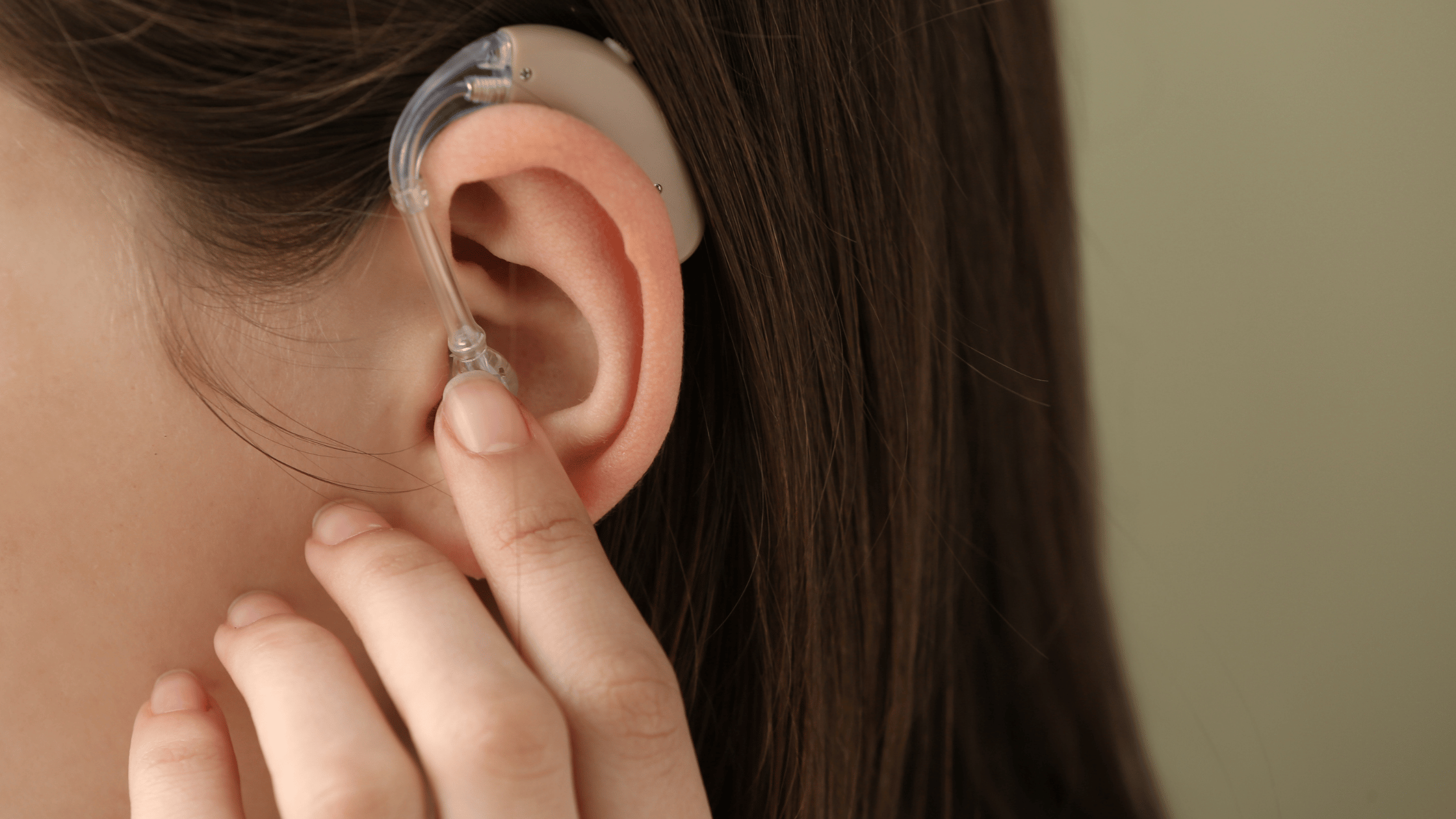
- Behind-the-Ear (BTE)
- Sits behind the ear, with tubing that leads to an earmold inside the ear.
- Suitable for mild to severe hearing loss.
- In-the-Ear (ITE)
- Custom-made to fit the outer portion of the ear.
- Easier to insert and remove; visible but compact.
- In-the-Canal (ITC) and Completely-in-Canal (CIC)
- Small and discreet; sit partly or entirely in the ear canal.
- Best for mild to moderate hearing loss.
- Receiver-in-Canal (RIC)
- Similar to BTE but with a more open fit and natural sound.
- Digital Hearing Aids
- Can be programmed to different environments.
- Include features like Bluetooth, noise cancellation, and directional microphones.
How to Choose the Right Hearing Aid
- Consult with an audiologist for a hearing test and personalized fitting.
- Consider your lifestyle, budget, and level of hearing loss.
- Test different models before committing; most clinics offer trial periods.
Maintaining Hearing Aids
- Clean regularly to prevent earwax buildup.
- Replace batteries or charge as needed.
- Schedule follow-up adjustments for maximum comfort and effectiveness.
Caring for Someone with Hearing Loss
Whether you’re the person experiencing hearing loss or a caregiver, there are several ways to enhance communication and quality of life.
Tips for Everyday Communication
- Face the person while speaking.
- Speak clearly but don’t shout.
- Use visual cues and gestures.
- Minimize background noise when talking.
- Repeat or rephrase instead of getting frustrated.
Supportive Tools
- Captioned phones and television
- Smartphone apps for sound amplification or transcription
- Alert systems with visual or vibration-based alarms
Emotional and Mental Health Considerations
Hearing loss can lead to social withdrawal, depression, or cognitive decline if left unaddressed. Encourage regular social interaction and offer support during adaptation to hearing aids or implants.
Preventing Further Hearing Loss
Even after treatment, it’s important to take steps to protect your remaining hearing:
- Avoid loud noises or use ear protection in noisy environments.
- Limit use of earbuds/headphones at high volumes.
- Monitor medications known to be ototoxic (harmful to the ears).
- Schedule regular hearing check-ups.
Conclusion
While hearing loss or deafness can present real challenges, the combination of early diagnosis, medical treatment, and hearing aid technology makes it highly manageable. With the right support and tools, individuals with hearing loss can continue to communicate, connect, and thrive.
Whether you’re dealing with hearing loss personally or helping a loved one, understanding the treatment options—from medication to surgery to hearing aids—is the first step toward better hearing health.
Don’t ignore the signs—get tested, explore your options, and take proactive steps to care for your hearing. It’s never too early or too late to start.